
The Week in Review: Planning Ahead in Kilrea and Surveying People's Park
Why long-term tree management is worth planning before an urgent problem forces the issue, and why the way people use a public park matters to a tree risk assessment.
Written by John McNamara, arboricultural consultant, McNamara Tree Consultancy. A VALID Accredited Validator who also holds Professional Tree Inspection (PTI) certification and is an Associate Member of the Arboricultural Association. View John's qualifications and experience
After a week of smaller sites and residential surveys, this week brought a change of scale at McNamara Tree Consultancy.
A visit to a large site in Kilrea was followed by a VALID Tree Risk-Benefit Assessment of People's Park in Ballymena on behalf of Mid and East Antrim Borough Council. Forty-five acres of public parkland provided plenty to keep us occupied, although we did manage to fit in a trip to Dublin for the football.
Kilrea: thinking beyond the next inspection
The week began with a trip up to Kilrea to visit a large site and discuss long-term, climate-appropriate tree management with the client.
Much of our work involves assessing the trees that are already there. What condition are they in? What level of risk do they pose? What, if anything, needs to be done?
Long-term management adds another set of questions. What do we want the site to look like in the future? Which trees are suited to the conditions? How do we plan for replacement as the existing tree stock changes?
These are decisions worth making before an urgent problem forces the issue. Trees take time to establish, and a planting decision made today will hopefully still be visible long after the person who made it has retired.
Climate-appropriate management means considering how the site may change, as well as what grows well there now. Species selection, growing space and the conditions in which new trees will establish all need thought. A tree cannot simply pack up and move somewhere more comfortable if we get it wrong.
The visit was an opportunity to discuss that longer view with the client, rather than focus solely on the next round of tree works.
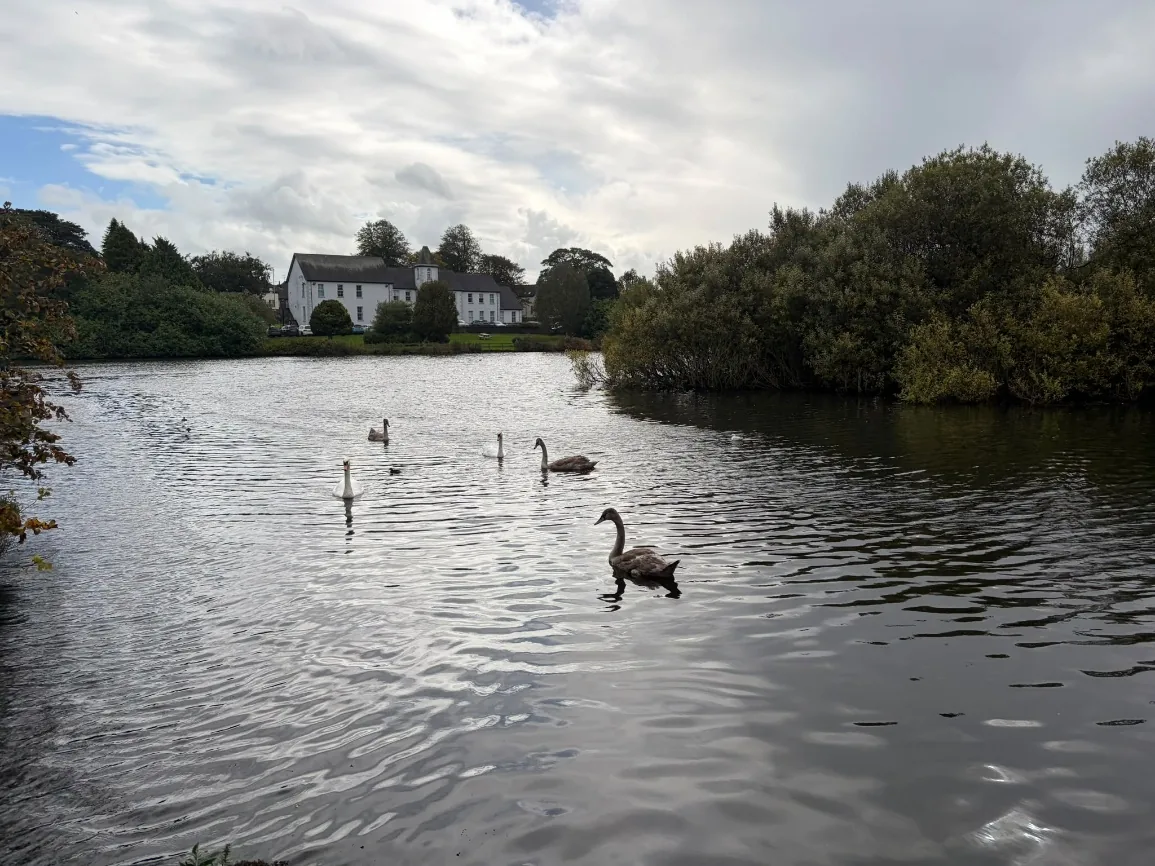
Ballymena: forty-five acres of public parkland
For the remainder of the working week, our attention turned to People's Park in Ballymena, where we carried out a VALID Tree Risk-Benefit Assessment on behalf of Mid and East Antrim Borough Council.
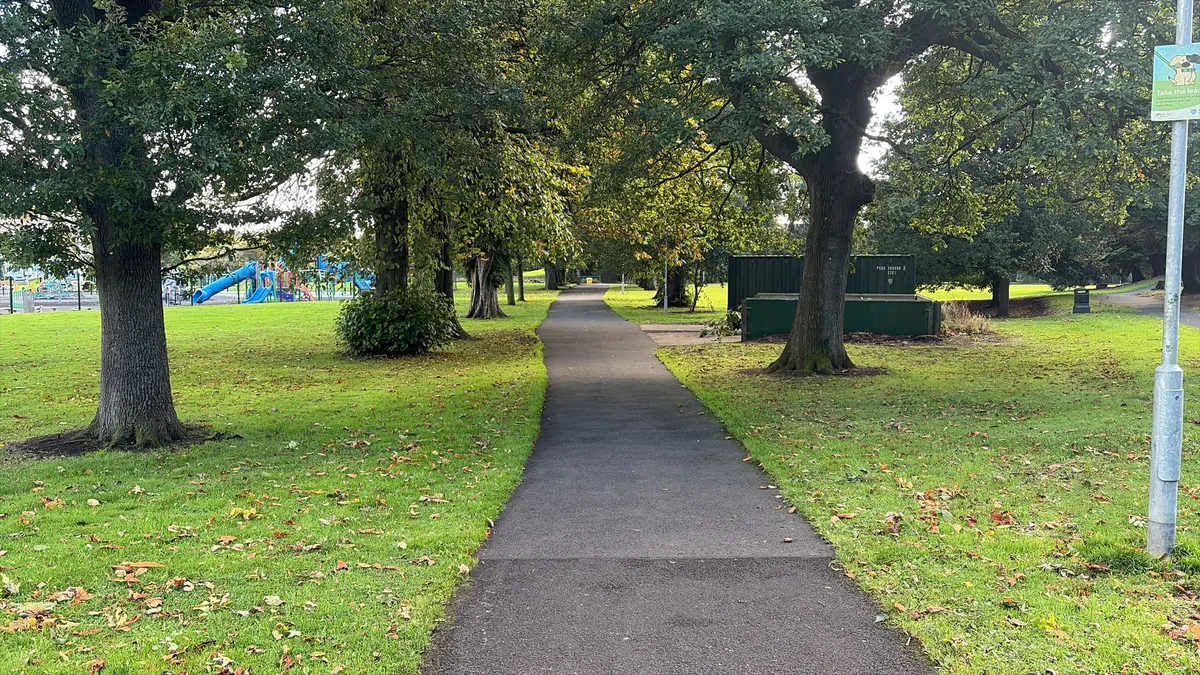
At approximately 45 acres, this was a substantial public site. It was also a good example of why the way people use a place matters to a tree risk assessment.
A public park contains different areas with different levels of activity. Footpaths, play areas and open grass all form part of the same site, but they are not necessarily occupied in the same way or for the same amount of time.
That matters because assessing risk involves more than looking at a tree and identifying a defect. We also need to consider the likelihood of failure and what could be affected if it occurs. The setting is part of the assessment, rather than something to think about after the tree has been judged.
VALID provides a consistent method for doing that. It helps us distinguish between trees that require attention and those that can be retained with an Acceptable level of risk, whilst recognising the benefits they bring to the park.
For a council managing public trees, that distinction is useful. The recommendations need to be practical, proportionate and clear enough to act on. A long list of alarming descriptions is of little help if it leaves the client wondering what actually needs doing.
The purpose of the assessment is to turn the observations made on site into decisions the council can use to manage its trees reasonably.
Thursday evening: a different kind of field work
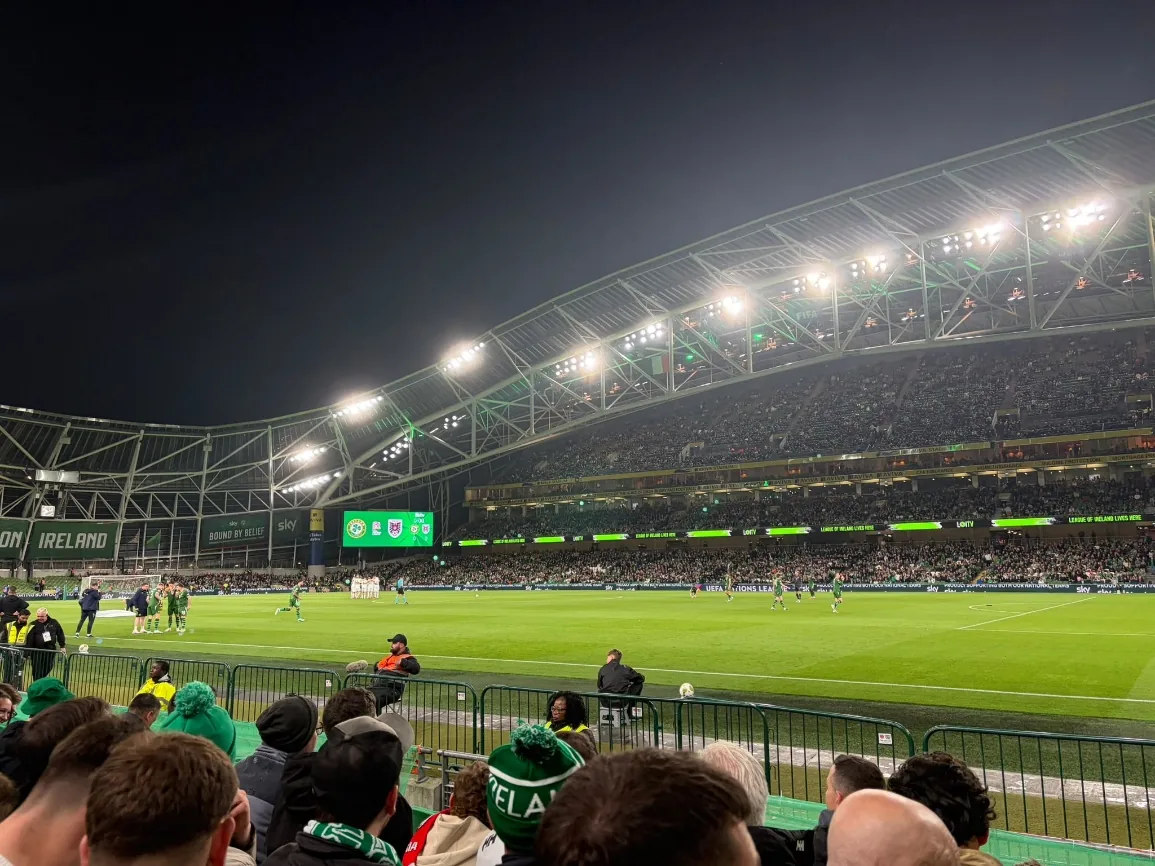
Thursday evening brought a brief change of scenery, with a trip down to Dublin to watch Ireland take on Austria.
There is only so much time a person can spend looking upwards before a football pitch starts to seem like a sensible alternative.
It was a welcome break in a week otherwise dominated by trees, although forty-five acres of parkland and a trip to Dublin made for a fairly comprehensive tour of the island.
Then it was back to Ballymena and the survey. Football is a useful distraction, but unfortunately it has yet to find a way of finishing an arboricultural report for us.