
Arboricultural Reports Explained: What They Are and When You Need One
Planning conditions, lender letters and insurers all ask for an arboricultural report, but they rarely mean the same document. Here is how to tell which one you need.
Written by John McNamara, arboricultural consultant, McNamara Tree Consultancy. Holds Professional Tree Inspection (PTI) certification and is an Associate Member of the Arboricultural Association. View John's qualifications and experience
An arboricultural report is a formal written assessment of trees, prepared by a qualified arboriculturist for a specific purpose: supporting a planning application, satisfying a mortgage lender, demonstrating that safety is being managed, or recording the condition of valued trees. The phrase covers several different documents, and the first job is always working out which one is actually being asked for.
If a planning officer, lender or insurer has requested "an arboricultural report", the wording of their letter usually points to one of the four below.
Reports for planning applications
The planning family of reports starts with the BS 5837 tree survey, which records every relevant tree with its species, dimensions, condition and quality category. Built on that survey, the Arboricultural Impact Assessment (AIA) explains how a proposed development affects each tree, and the Tree Protection Plan (TPP) shows the fencing and exclusion zones that will protect retained trees during construction. Where working methods need spelling out, an Arboricultural Method Statement (AMS) completes the set.
Planning authorities across Northern Ireland and the wider UK expect these documents whenever trees and development interact. Our BS 5837 tree survey service delivers the full package, with plans supplied in PDF and DWG so architects can drop them straight into a submission.
Reports for tree safety and duty of care
A tree risk assessment report documents that an owner is managing the risk from their trees reasonably and proportionately, which is the legal standard. Ours are based on the VALID Tree Risk-Benefit Strategy and include a site-specific Tree Management Policy accepted by the major insurers. If your concern is safety rather than planning, start with a tree risk assessment.
Reports for property purchases
When mature trees stand near a property being mortgaged, lenders ask for a tree report addressing falling distance, root influence and future growth. These are short, fast and written against the lender's exact wording; see mortgage tree reports for how they work and the 48 to 72 hour turnaround, or read how a tree survey can improve your mortgage report.
Condition reports for valued trees
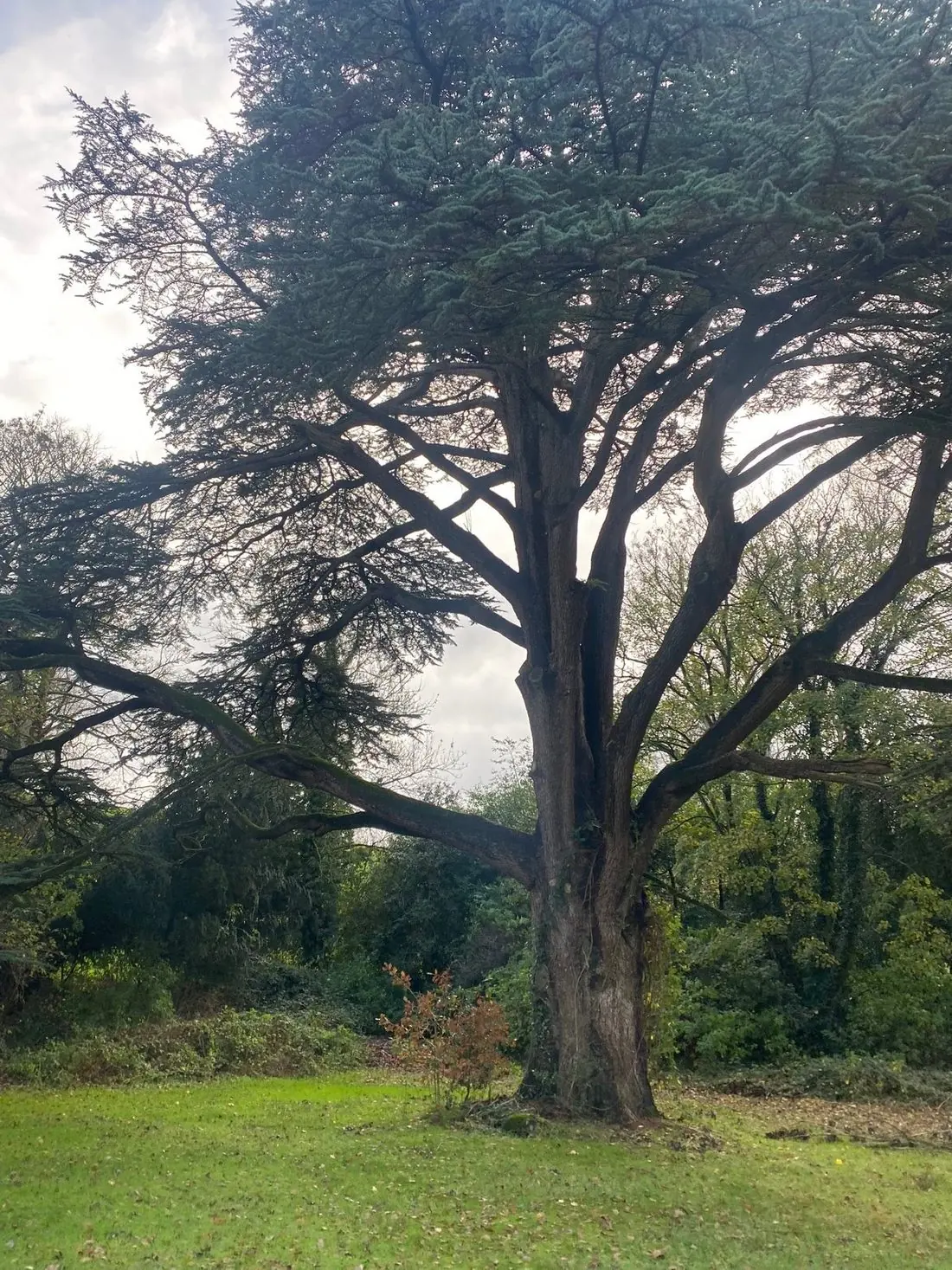
The fourth family is the condition report: a health and structure assessment of an individual tree or a collection, used by estates, churches, schools and private owners planning long-term care. These often accompany decisions about veteran trees, where the right report can be the difference between preservation and unnecessary loss.
What every good report shares
Whatever the type, a professional arboricultural report should identify the trees clearly, state what was inspected and how, give findings in plain language, and make recommendations that are specific and proportionate. It should also be independent: our reports carry no attached sales pitch, because we do not sell tree works.
Not sure which report your situation calls for? Send us the letter or the details and you will be told plainly, with no obligation.