
How a Tree Survey Can Improve Your Mortgage Report
A tree flagged in a mortgage report can stall a purchase for weeks. A prompt, lender-compliant tree survey usually resolves it in days. Here is how the process works.
Written by John McNamara, arboricultural consultant, McNamara Tree Consultancy. Holds Professional Tree Inspection (PTI) certification and is an Associate Member of the Arboricultural Association. View John's qualifications and experience
Few things deflate a house purchase like a condition buried in the mortgage report: further investigation required regarding trees in proximity to the property. It sounds ominous, it arrives late in the process, and until it is resolved the lender will not release funds.
In reality, it is one of the most routine and fixable conditions there is. Lenders are not against trees; they simply want a professional opinion before securing a 25-year loan against a property with a large organism growing beside it. A tree survey provides that opinion, and a good one usually provides it within days. It is also one of the five situations where a survey is genuinely necessary.
Why trees appear in mortgage reports at all
Building surveyors flag trees for three main reasons. First, falling distance: a mature tree that could strike the building if it failed. Second, ground movement: on shrinkable clay soils, tree roots can contribute to subsidence, and lenders are cautious about the combination. Third, simple growth: a tree that is manageable today may dominate the plot in twenty years.
The surveyor carrying out the mortgage valuation is not a tree specialist, so rather than guess, they refer the question to someone who is. That referral is what lands on your desk as a condition.
It is worth saying that the condition is not a judgement about the property. Some of the most desirable homes in Northern Ireland and Ireland sit among mature trees, and lenders finance them every week. The condition simply moves the question from someone unqualified to answer it to someone qualified to, and once answered well, it rarely resurfaces.
What the tree survey actually covers
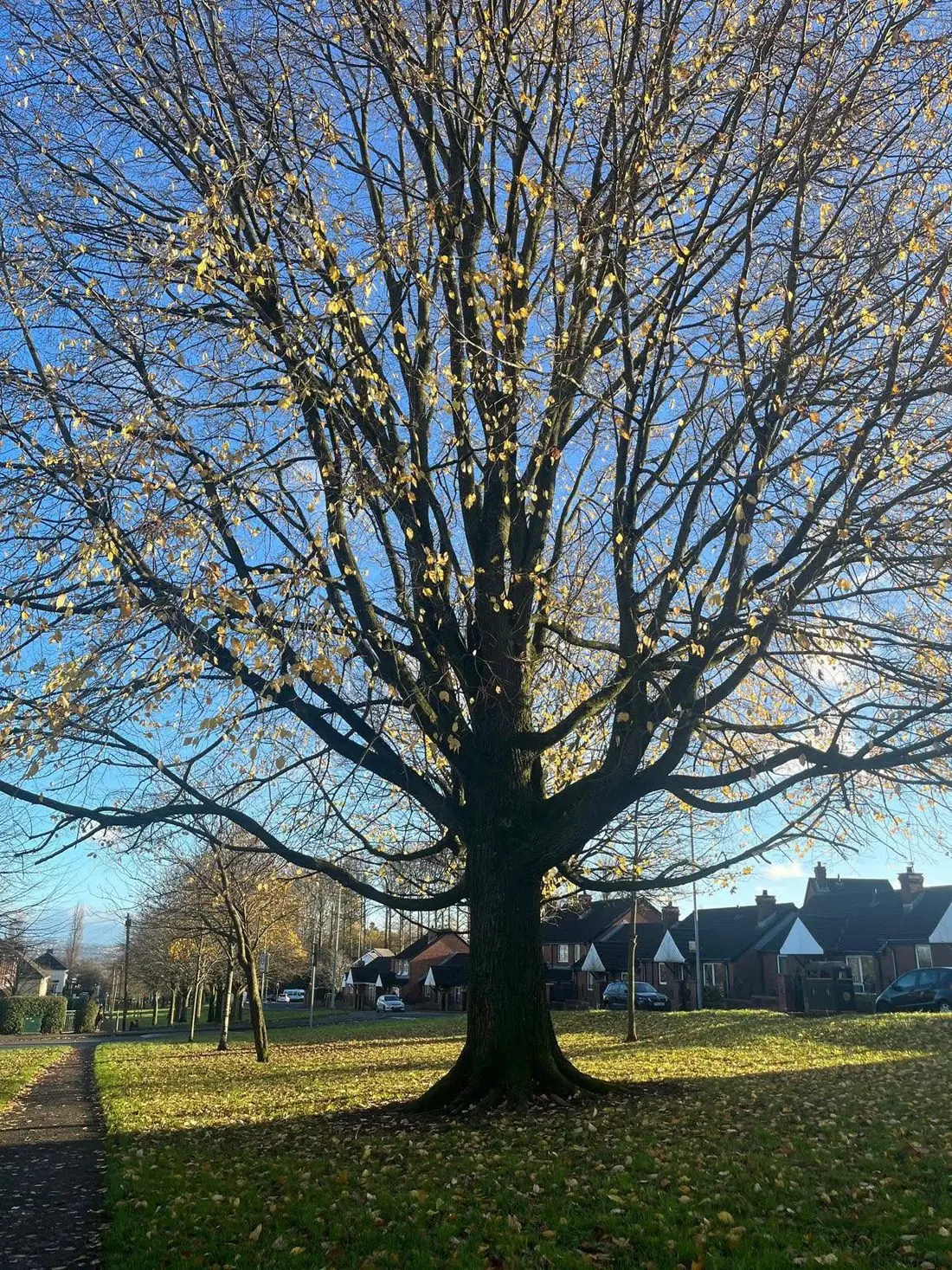
A mortgage tree survey is a focused inspection of the trees the lender is concerned about, and any others close enough to matter. Ours records each relevant tree with its species, size and condition, assesses whether any tree stands within falling distance of the building, evaluates future growth and its implications, considers insurance-relevant issues such as soil type, and documents everything with photographs.
Crucially, the report is written against the lender’s actual wording. Underwriters want their specific questions answered in a format they recognise, which is why we always ask you to send the letter or report extract with your enquiry. You can read more about the service on our mortgage tree reports page.
What if the report recommends work?
Buyers sometimes hesitate to commission the survey in case it finds a problem, which gets the logic backwards. If a tree genuinely threatens the property, you want to know before you own it. In practice, most reports either clear the trees entirely or recommend modest, inexpensive work such as crown reduction or deadwood removal, and the report gives you something concrete to negotiate with: the work can be a condition of sale, or its cost reflected in the price.
Because the report is independent, the recommendations carry weight with the lender. We do not carry out tree works ourselves, so nothing in the report is shaped by the prospect of selling you a follow-up job.
Keeping your purchase on track
Speed is what matters once a condition is raised, because everyone in the chain is waiting on it. Our streamlined process delivers the completed, lender-compliant report within 48 to 72 hours of the site visit, and visits are prioritised for purchases with pressing deadlines.
Occasionally the survey identifies something that genuinely needs attention, most often a tree that would benefit from pruning or a defect worth monitoring. Even then, the report turns a vague concern into a specific, costed recommendation, and where deeper assessment is sensible we can follow on with a full tree risk assessment, usually without a second visit.
If a mortgage report has raised trees on a property you are buying, request a quote today and send the lender’s wording with it. Most conditions of this kind are cleared within the week.