
5 Situations When a Tree Survey Is Necessary
Most people only discover they need a tree survey when someone else asks for one. These are the five situations where a survey is either required or strongly advisable.
Written by John McNamara, arboricultural consultant, McNamara Tree Consultancy. Holds Professional Tree Inspection (PTI) certification and is an Associate Member of the Arboricultural Association. View John's qualifications and experience
Most people never think about a tree survey, until either a storm takes one down, or a planning officer, mortgage lender or insurer asks for one.
At that point, the questions come quickly. What is a tree survey? What are the different kinds of tree survey? Who do I need to contact? How long will it take, and how much will it cost me?
The good news is that tree surveys aren't as confusing or niche as most people think, and here at McNamara Tree Consultancy, we have a range of purpose built surveys and reports designed to meet all of your needs.
Read on to find out about the 5 most common situations that require a tree survey.
1. You are applying for planning permission
In this scenario a tree survey is not optional extra, it's a key part of your planning application.
If there are trees on or near a site you want to develop, whether it is a house extension, a new dwelling or a full housing scheme, the planning authority will expect a BS 5837 tree survey with your application.
During the survey, an Arboricultural Consultant will inspect and record every tree that is significant in relation to development - essentially every tree within throwing distance of your proposed development.
Following the site survey, your consultant will then prepare an Arboricultural Impact Assessment (AIA) that comes with a detailed drawing in DWG and PDF formats. This drawing will outline the Root Protection Area's (RPAs) of all trees on-site and leave you with a clear developable area.
The next stage is to send that information to your architect and ask them to draw up proposals that account for the tree constraints. After this has been produced, your Aboricultural Consultant will analyse the drawing and identify any conflicts between existing trees and proposed developments.
Another report and drawing will be produced outlining the various tree protection measures and mitigation methods that allow for the maximum tree retention possible. Where unavoidable conflicts are identified and trees have to be removed, your Consultant will recommend replanting proposals.
This report, once finished, is ready for submission and consideration by local planning authorities.
Commissioning the survey early, before the design is fixed, is the single best way to avoid redesigns and delays. Read more about BS 5837 tree surveys for planning, or see BS 5837:2012 explained for what the standard actually requires.
2. You are buying a property with trees nearby
Houses are expensive, and in order to buy them, most of us have to take out substantial loans from a mortgage provider to do so. In order to protect their investment, your lender may ask for a detailed mortgage report that doesn't just assess the risk posed by all trees surrounding the property, but also analyses all the vegetation on site.
Your lender wants to know not just whether a tree is likely to fall through your conservatory, but how roots may affect the structural integrity of your exterior walls and if there are any invasive species in your new back garden.
A mortgage tree report answers those points directly, in the format underwriters expect, and with mortgage timescales in mind: ours are delivered within 48 to 72 hours of the site visit.
Be warned: There are dozens of tree surgeons in Northern Ireland offering 'mortgage reports' to prospective buyers that aren't worth the paper they are written on.
Whilst a £100 quote to carry out a mortgage report might seem tempting initially, it will be a decision you come to rue if something goes wrong on your property in the years to come!
3. You are responsible for trees that people spend time under
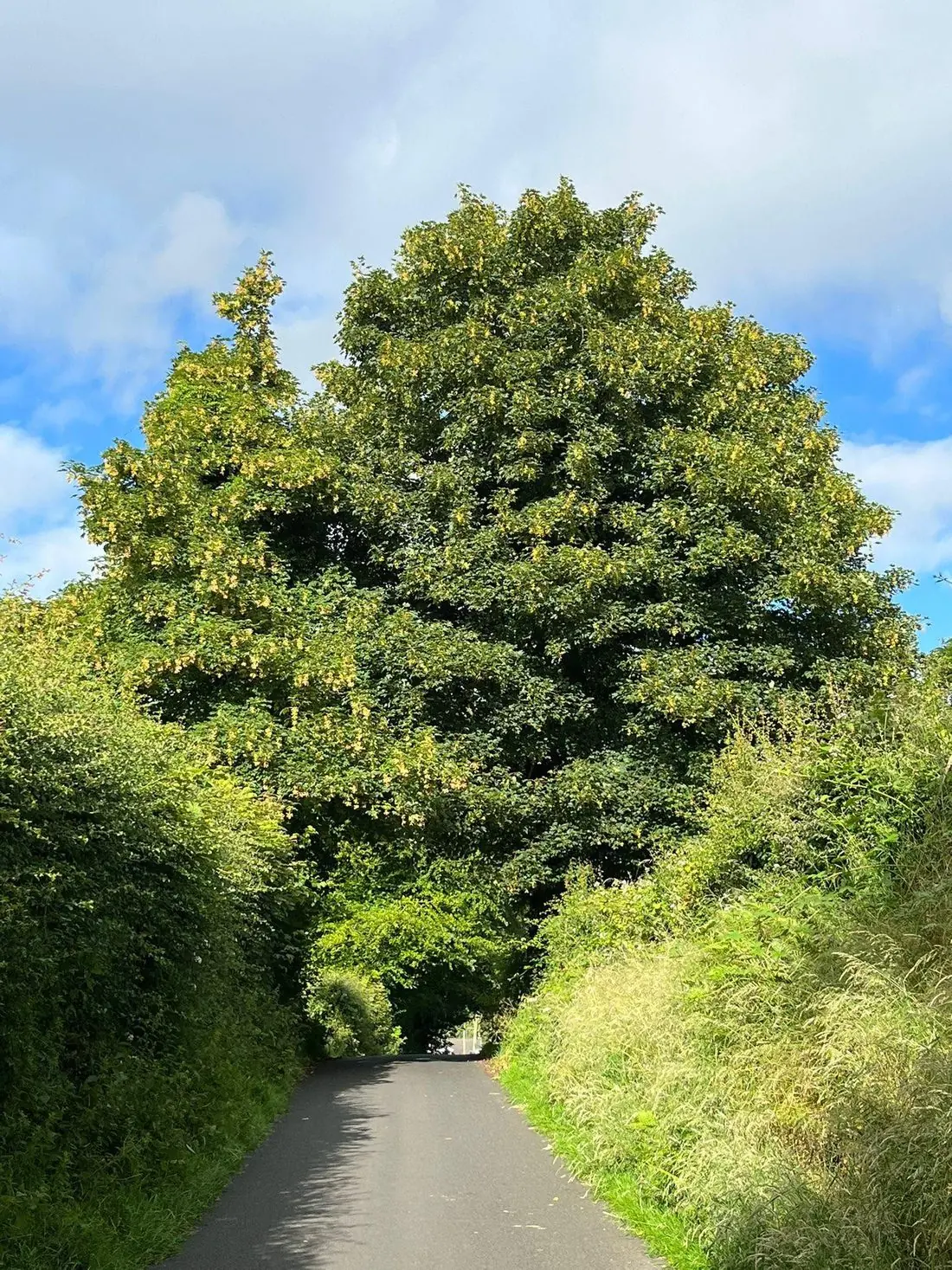
Schools, churches, councils, estates, businesses and ordinary homeowners all share the same legal position: a Duty of Care to manage the risk from their trees in a reasonable, proportionate and practicable way. You do not need to make every tree perfectly safe, which is impossible, but you do need to show you have taken sensible steps.
A periodic tree risk assessment is exactly that sensible step. Ours use the VALID Tree Risk-Benefit Strategy, so the recommendations stay proportionate and you avoid paying for unnecessary tree works.
4. After a storm
Tree failure takes all the headlines when it comes to storms. The BBC Live blog that accompanies every storm is full of pictures of fallen trees and windswept beaches.
What it never shows though, is huge cracked limbs that are left precariously dangling over a park bench once the storm has passed. Or the huge crack beneath the union in 20m Sycamore at the side of the M1.
These defects, although obvious in nature, are incredibly common after storms and are sadly neglected by most land owners. A simple walkover tree survey following a storm helps to reduce these risks and help land owners meet their duty of care, whilst also keeping the public safe.
5. You are buying or taking over land with trees
Woodland, paddocks, development land or a large garden: when trees come with the deal, so do their liabilities and their opportunities. A survey before purchase tells you what is actually standing on the land, what condition it is in, what obligations come with it and what it will cost to manage. That information belongs in the negotiation, not in the first year of ownership.
This matters doubly where Tree Preservation Orders or conservation area protections apply, because those constraints transfer with the land and can shape what you are allowed to do with it for decades.
What happens after the survey?
Whichever situation brings you to a tree survey, the output is the same in spirit: a written report that says what is there, what condition it is in and what, if anything, should be done about it, with recommendations kept proportionate to the actual risk or the actual requirement. You will never be told a tree needs work simply because work can be sold; we carry out no tree works, so there is nothing to sell.
Costs scale with the job. A single-tree mortgage enquiry sits at one end, a multi-hectare BS 5837 survey at the other, and every quotation is confirmed transparently before any work begins. Turnarounds are quoted honestly too, and urgent planning or mortgage deadlines are prioritised.
If any of these five situations sounds like yours, send us the details and you will get straight advice on the right survey, with no obligation.