
What Does a Tree Surveyor Do?
They turn trees into recorded facts that councils, lenders and insurers can act on. What the job involves, and the three questions to ask before hiring one.
Written by John McNamara, arboricultural consultant, McNamara Tree Consultancy. Holds Professional Tree Inspection (PTI) certification and is an Associate Member of the Arboricultural Association. View John's qualifications and experience
A tree surveyor spends their days doing something that looks simple from a distance and is anything but. They walk a site, look at trees one by one, and turn what they see into recorded facts that councils, lenders, insurers and owners can act on. Here is what the job actually involves, and what to look for if you need one.
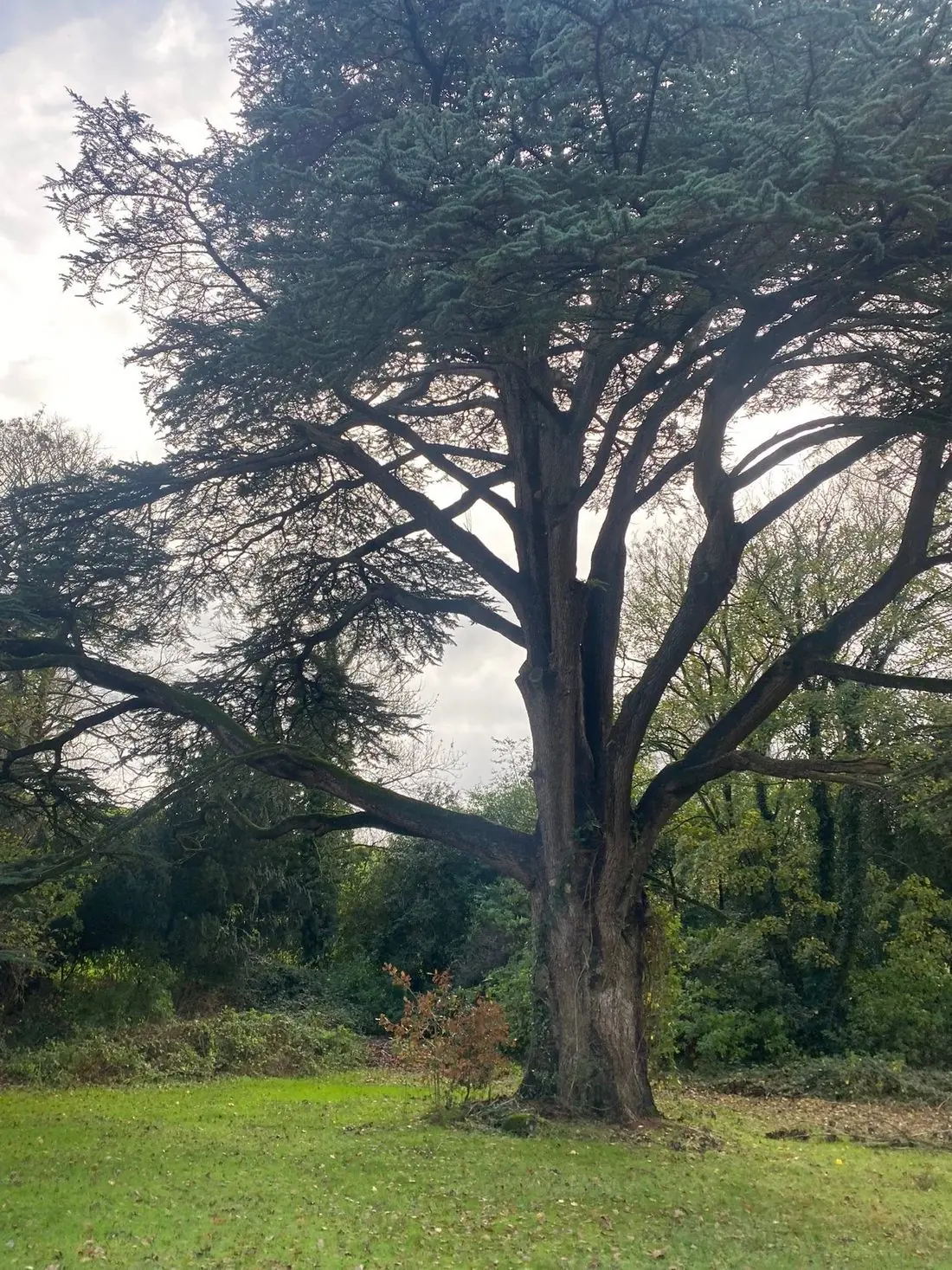
The role of a tree surveyor: what gets recorded
For every tree that matters to the purpose, a surveyor records the species, measures the stem diameter, estimates or measures height and crown spread, and assesses age class and condition. Condition is the heart of it. Deadwood, decay, fungal fruiting, cavities, wounds, root damage, the tree's structure and its recent history are read from the ground, with binoculars for the crown and simple tools for the stem. Where a serious question needs a deeper answer, decay detection equipment exists, but the great majority of tree surveying is skilled observation, done systematically. Surveying trees well is slow, deliberate work, and it is why an experienced arboricultural surveyor can tell you more from the ground than a gadget can.
The same trees, different surveys
What the surveyor produces depends entirely on why they were asked. For a planning application, the output is a schedule of trees with categories and root protection areas, feeding a constraints plan and an impact assessment in the format the British Standard requires. For a safety concern, it is a risk assessment that weighs the tree's condition against what stands beneath it. For a house purchase, it is a report answering a lender's specific questions about falling distance, roots and future growth. For a worried owner, it is a condition survey in plain language. Each produces a tree survey report built for its reader, and our guide to tree survey costs explains what each kind involves. Same skills, different questions, and a good surveyor starts by establishing which question is actually being asked.
Surveyor, surgeon, consultant
A tree surveyor is not a tree surgeon. The surgeon's trade is physical work on the tree, and it is skilled, necessary work. The surveyor's trade is evidence. In practice, tree surveyor, arboricultural surveyor, arboriculturist and arboricultural consultant describe overlapping work, with the consultant title covering the fuller advisory role, interpreting the survey, making recommendations, and standing behind them to a council or a lender. What matters more than the title is independence. A surveyor whose firm also sells tree work is grading their own future invoices, and the reports that councils and lenders trust most come from people with nothing to gain from the answer.
Choosing one
Ask three things. What are the qualifications and professional memberships behind the signature? Can you see a sample report before committing? And does the firm carry out tree works? You want the first two answered openly and the third answered no. Ask, too, who will actually attend the site. In larger firms the name on the report and the person at the tree can be different people.
At McNamara Tree Consultancy the answer to that last question is simple, the same person, every time. John McNamara handles every instruction personally, from the first site visit to the finished report, across Northern Ireland & Ireland, and the practice sells no tree work at all. If you have been told you need a tree surveyor, or you are simply worried about a tree and want it looked at properly, send the site details and you will get a straight answer about what the job actually needs.