What Does an Arboricultural Consultant Do?
Arboriculturist, arboricultural consultant, tree surveyor: the titles blur together. Here is what each one means, and what a consultant actually does for your project.
Written by John McNamara, arboricultural consultant, McNamara Tree Consultancy. Holds Professional Tree Inspection (PTI) certification and is an Associate Member of the Arboricultural Association. View John's qualifications and experience
An arboricultural consultant is a professional adviser on trees: their health, their safety, their legal protections and their relationship with buildings, people and construction. Where a tree surgeon works on trees with saws and ropes, an arboricultural consultant works on them with surveys, assessments and reports. The two roles are often confused, and the difference matters more than most people expect.
The word behind the title, arboriculture, simply means the cultivation and management of individual trees. So an arboriculturist is someone trained in that discipline, and arboricultural consulting is the business of applying it to real-world decisions: can these trees stay, is this tree safe, what does the council need to approve this application?
What the work actually involves
A typical week for an arboricultural consultancy runs across four kinds of work.
- Tree surveys for planning: recording trees to the BS 5837 standard so architects and planners can design around them.
- Impact assessments and protection plans: the formal reports planning authorities require when development and trees share a site.
- Tree risk assessments: helping owners meet their legal Duty of Care with proportionate, defensible management.
- Specialist reports: mortgage and insurance enquiries, condition assessments of valued trees, and advice on planting.
Every output is a written document with professional standing. That is the defining feature of consultancy work: the deliverable is judgement you can rely on and, where needed, present to a planning officer, lender, insurer or court.
When you need a consultant rather than a tree surgeon
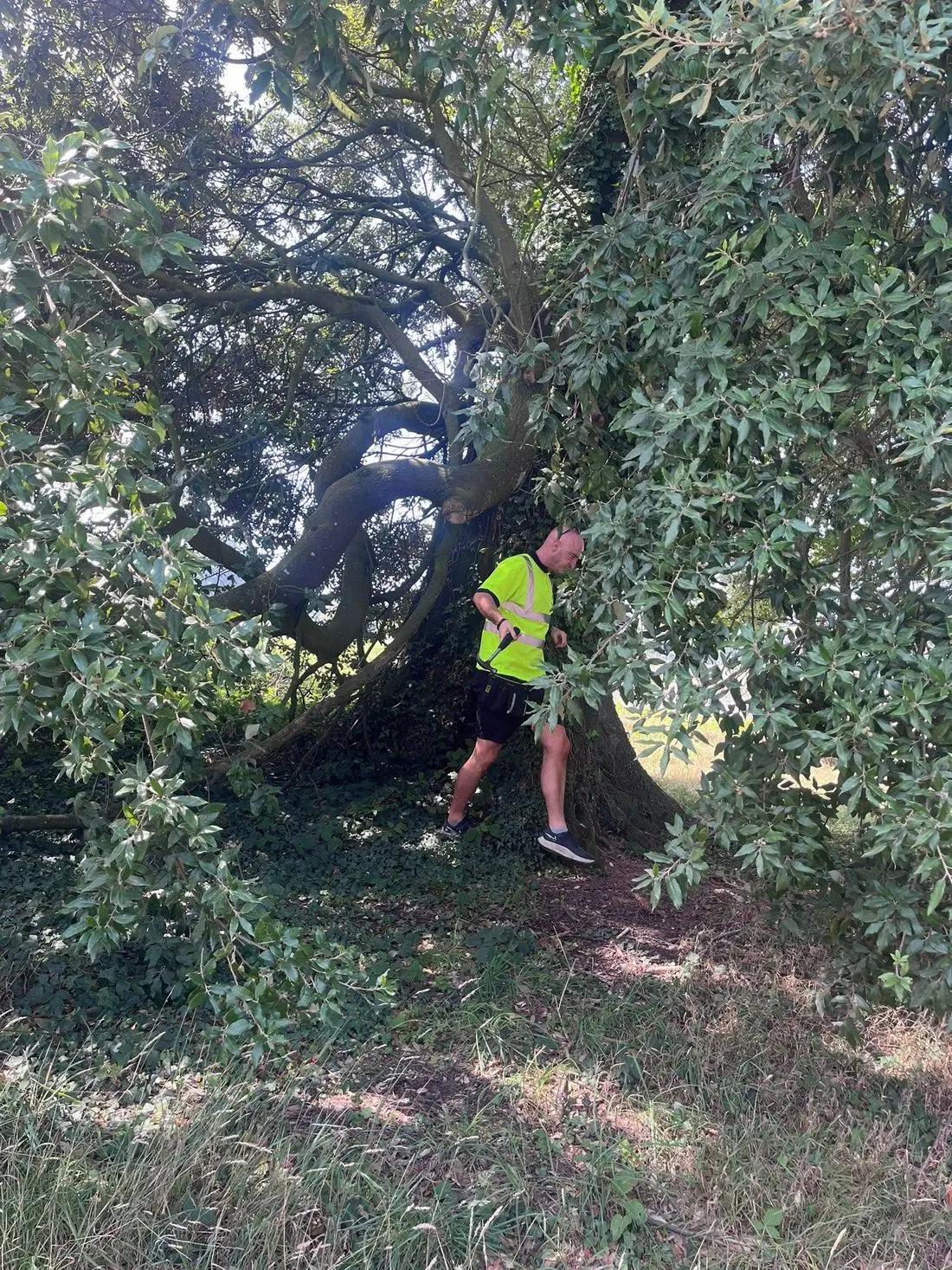
The rule of thumb is simple. If the question is "cut this branch" or "fell this tree", you need a competent tree surgeon. If the question is "what should happen to these trees?", "will the council accept this?", or "am I liable if something goes wrong?", you need an arboricultural consultant.
The most common triggers are a planning application involving trees, a lender or surveyor raising trees during a property purchase, a landowner's duty to manage risk, and disputes or protected-tree issues where independent expertise carries weight.
Why independence matters
Some firms combine consultancy with tree surgery, which creates an obvious tension: the person recommending work profits from doing it. McNamara Tree Consultancy carries out no tree works at all. The advice in every tree risk assessment and BS 5837 tree survey is directed at what is best for the tree and the client, because there is nothing else to sell.
That independence often makes a consultant cheaper than they look. A proportionate risk assessment routinely costs less than the unnecessary felling and pruning it prevents, and a survey commissioned early in a design routinely costs less than the redesign it avoids.
What to look for when choosing one
Ask about qualifications and professional membership, ask to see a sample report, and ask directly whether the firm sells tree works. A good arboricultural consultant will answer all three without hesitation, and will be equally comfortable telling you when you do not need a survey at all.
If you are weighing up whether your project needs one, we work as an independent arboricultural consultant across Northern Ireland, Ireland and the UK. Send us the details and you will get a straight answer either way.