
Tree Inspections: What They Involve and How Often a Tree Needs One
There is no legal interval for tree inspections. How often a tree needs looking at depends on what, and who, is underneath it.
Written by John McNamara, arboricultural consultant, McNamara Tree Consultancy. A VALID Accredited Validator who also holds Professional Tree Inspection (PTI) certification and is an Associate Member of the Arboricultural Association. View John's qualifications and experience
Every tree owner is told, sooner or later, that their trees should be inspected. Far fewer are told what an inspection actually involves, how often one is needed, or how it differs from a formal tree risk assessment.
What an inspection actually is
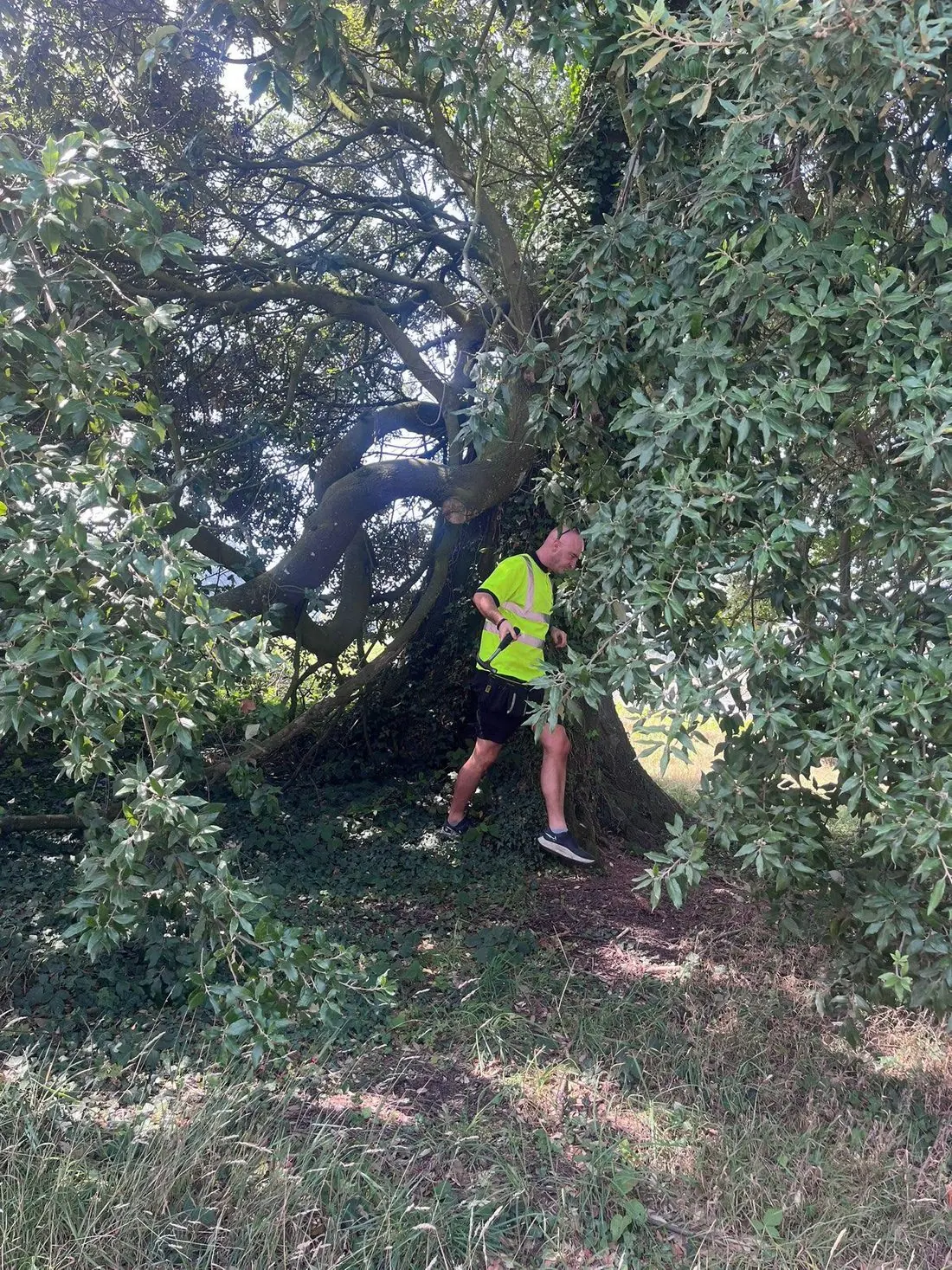
A tree inspection is a systematic look at a tree for the signs that matter. Dead wood in the crown, fungal fruiting bodies at the base, cracks and cavities, lifted soil around the roots, a lean that was not there last year. Most of it is done from the ground, with binoculars for the crown and a mallet and probe where something needs a closer look. The skill lies in knowing what the signs mean, not in the equipment.
A formal tree risk assessment goes a step further. It weighs what the inspection finds against what is beneath the tree, rates the actual level of risk, and records proportionate recommendations. Here at McNamara Tree Consultancy we use the VALID Tree Risk-Benefit method to do that. Most trees, most of the time, need nothing done, and a good assessment says so in writing.
How often does a tree need inspecting?
There is no legal interval for tree inspections. The sensible answer depends on what the tree could hit, and how often people are there. In VALID terms, that is occupancy.
Trees over houses, roads, car parks and play areas deserve a look on a regular cycle, commonly somewhere between one and five years depending on the trees and how the area beneath them is used. Trees in a back field with nothing under them may never need a formal inspection at all. Zoning a site this way, with more attention where people are and little or none where they are not, is how councils and large landowners manage thousands of trees affordably. The same logic works for a farm or a single large garden.
Two things should always prompt a fresh look, whatever the cycle: a severe storm, and any visible change such as a new lean, a dropped limb or fungus where there was none before.
What owners can watch for themselves
Between inspections, an owner who knows what to look for is worth a great deal. Dead branches over places where people stand. Mushrooms or brackets at the base of the stem in autumn. Bark falling away in sheets. Soil cracking or heaving on one side of the root plate.
None of these automatically condemns a tree, but each one is a reason to ask. With our risk assessments we provide an Obvious Tree Risk Features document, so that owners and their staff can keep an informed eye on their trees between visits.
Why the written record matters
An inspection that nobody wrote down is very difficult to rely on. The written record of what was looked at, when, and what was decided is what demonstrates that your duty of care was taken seriously, and it is the first thing an insurer will ask for if something happens.
It also stops trees being felled out of vague worry. A recorded, reasoned decision to retain a tree puts the owner in a strong position, and most trees deserve to be retained.
McNamara Tree Consultancy carries out tree inspections, tree condition surveys and VALID tree risk assessments across Northern Ireland, Ireland and the wider UK. Our guide to what a tree survey costs explains what sets the price. If your trees have never been looked at properly, or the last look was years ago, send us the site details and we will tell you what is proportionate for your situation.